Chimney Inspection in San Antonio: Level 1, 2 & 3

San Antonio Chimney Sweeps connects San Antonio-area homeowners with independent local chimney sweep, inspection and repair companies for free, no-obligation quotes. Whether you need the annual check, a camera scan before a sale, or a closer look after a chimney fire or hard freeze, local companies send their prices for the right level.

Get a Free Quote
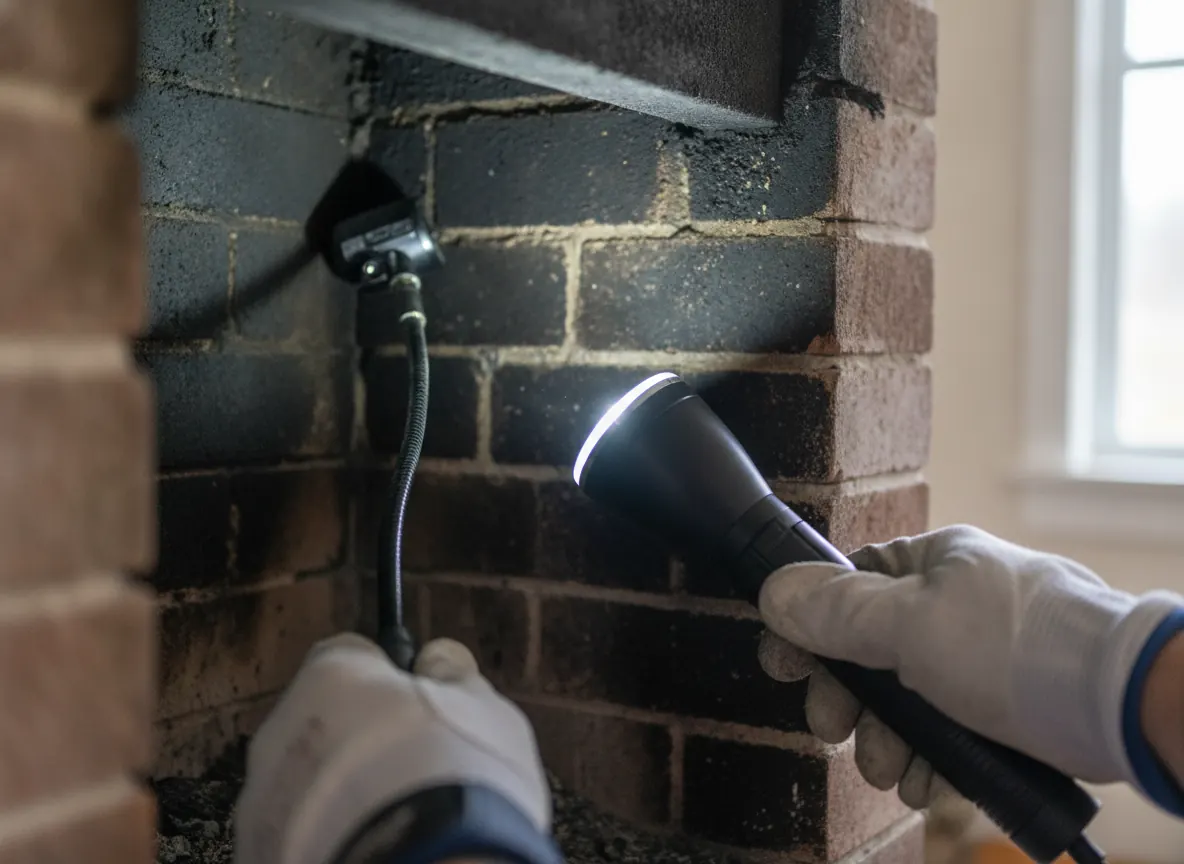
Camera scope and flashlight inspecting a brick firebox and flue

The three levels of chimney inspection

Chimney inspections follow NFPA 211, the standard most of the trade works to, which sets out three levels. Companies describe them roughly like this:

  • Level 1 is the annual visual check of the readily accessible parts of the chimney: firebox, damper, the flue as far as it can be seen, and the cap and crown from the roof. It comes with most sweeps, and is what CSIA's summary of NFPA 211 means by inspection "at least once a year for soundness, freedom from deposits, and correct clearances."
  • Level 2 adds a video camera scan of the full flue interior plus a look at accessible attic, crawlspace and roof areas. It is the inspection called for on a sale or transfer of the property, a change of fuel (for example, wood to gas logs), a new appliance such as an insert, or after a malfunction or event like a chimney fire, lightning strike or hard freeze.
  • Level 3 goes into concealed areas and may mean removing parts of the chimney, chase or surrounding finishes. It is reserved for cases where Level 1 or 2 found a hazard that cannot be assessed without opening things up, usually after damage.

Ask for the written report with photos or video before booking.

When a Level 2 inspection applies in San Antonio

Buying or selling a home

A Level 2 chimney inspection is the separate thing buyers ask for, and sellers increasingly order before listing so the report answers the disclosure questions below. This is a chimney inspection under NFPA 211, not a TREC real-estate inspection and not a substitute for one.

Switching wood to gas, or adding an insert

Bexar County is a gas-heavy market: 27.9% of occupied homes heat with utility gas and 0.1% with wood (ACS 2024 5-year). Many older masonry fireboxes get a gas log set or an insert, and a Level 2 scan first confirms the flue is sound and sized for the new appliance. See gas fireplace and log set service.

After a hard freeze

San Antonio averages only 14.0 nights at or below 32 °F, but the outliers are severe: 9 °F on February 15, 2021, with 4 days 12 hours below freezing; 18 °F on January 17, 2024; light snow and 24 °F on January 21–22, 2025; and a 20 °F minimum in winter 2026. A camera scan after events like these is how cracked flue tiles and crown damage get documented. Read what freezes do to chimneys.

After a chimney fire or a long idle period

A chimney fire, a lightning strike, or a flue that has sat unused for years all call for a look inside before the next fire. With 72% of the area's heating degree days falling in December through February, most local flues are idle nine months a year, which is when water, debris and animals do their work.

Why a home inspector's fireplace check is not a chimney inspection

In Texas, home inspectors are licensed by TREC, and their minimum standards for fireplaces and chimneys are set out in 22 TAC §535.228(i). The inspector must report as deficient "built-up creosote in accessible areas of the firebox and flue," combustible materials near the firebox opening, missing fireblocking at the attic penetration where accessible, and deficiencies in the damper, lintel, hearth and firebox, the gas fixture in the fireplace, combustion air vents, and "chimney structure, termination, coping, crown, caps, and spark arrestor." The same rule then says the inspector "is not required to: (A) verify the integrity of the flue; (B) perform a chimney smoke test; or (C) determine the adequacy of the draft."

That last sentence is the gap. The flue liner, hidden behind the damper and above the smoke chamber, is where cracked tiles, missing mortar joints and gaps between sections hide, and only a camera scan shows it. So a buyer who wants to know the condition of the flue orders a Level 2 chimney inspection from a chimney company in addition to the TREC home inspection, not instead of it. Texas has no chimney-inspector license; TREC licenses home inspectors, and chimney companies hold private credentials such as CSIA or NFI certification, which you can verify on csia.org or nficertified.org.

Selling a San Antonio house with a fireplace: the disclosure form

The TREC Seller's Disclosure Notice (Form 55-1, 2026) asks sellers to mark items as present, and whether they are aware of defects. The items include "Fireplace(s) & Chimney (Wood burning)," "Fireplace(s) & Chimney (Mock)," "Natural Gas Lines," "Gas Fixtures," liquid propane, and "Fuel Gas Piping" by material (black iron pipe, corrugated stainless steel tubing or copper). Section 4 of the form asks about conditions including "Previous Fires." A dated Level 2 report, with the sweep invoices that go with it, documents the answers and is worth keeping with every future sweep and inspection report. This is general information, not legal advice. Our guide to selling a house with a fireplace in Texas walks through the form.

Chimney inspection cost

Typical national ranges from Fixr (2025) and Angi via Bob Vila (2023) — estimates, not quotes.

InspectionTypical range
Level 1 inspection$85–$950 (usually the low end, often bundled with a sweep)
Level 2 inspection (camera)$150–$1,000
Level 3 inspection$500–$5,000
Camera inspection added to a sweepAbout $50–$75 more

If the scan finds problems, repairs are quoted separately; see crown, flashing and masonry repair and the cost guide. A company that inspects and also sells repairs should give you the video, so you can get a second quote on the work.

Frequently asked questions

Does a Texas home inspection include the chimney?

Partly. Under 22 TAC §535.228(i), a TREC-licensed home inspector reports creosote in accessible areas, the damper, firebox, fireblocking, crown, caps and spark arrestor, but "is not required to verify the integrity of the flue," smoke-test it or judge the draft. A Level 2 chimney inspection with a camera is the separate service that covers the flue interior. This is general information, not legal advice.

What is the difference between a Level 1 and Level 2 chimney inspection?

A Level 1 is the visual check of readily accessible parts during the annual visit or sweep. A Level 2 adds a video scan of the whole flue interior and a look at accessible attic, crawlspace and roof areas. Level 2 is the one called for on a sale or transfer, a fuel change, a new appliance, or after a chimney fire, lightning or a hard freeze.

Do I need a chimney inspection for a gas fireplace?

Yes, the annual check applies to gas flues too. Gas produces little soot, but the flue still has to be clear of nests and debris, the liner intact and the connection sound, and a vented log set in an old masonry firebox depends on that chimney. A Level 2 scan is the usual step before converting a wood fireplace to gas logs or adding an insert.

How long is a chimney inspection good for?

NFPA 211, as CSIA summarizes it, calls for an inspection at least once a year, so a report is generally considered current for about a year of normal use. Any event in between, such as a chimney fire, a lightning strike, a freeze like February 2021, or a change of appliance, is a reason for a new Level 2 inspection regardless of the date on the last report.

Are chimney inspections free, or bundled with a sweep?

A Level 1 look is usually included in a sweep, and some companies advertise free basic checks as a way to quote repairs. A Level 2 camera scan is a separate line, typically $150–$1,000 nationally or about $50–$75 added to a sweep (estimates, not quotes). Whoever inspects, ask for the written report and video so another company can quote any repairs.

Before the first cold front, get a clear chimney quote.

Free, no-pressure quotes across San Antonio, Alamo Heights, Boerne, New Braunfels, Schertz and Bexar County.

Call NowFree Quote